Small Bathroom Ideas: Maximize Space
Smart small bathroom ideas start with understanding how people use the space. In compact homes, every inch matters, from toe-kick storage to wall-mounted fixtures. This guide covers layout, color, lighting, storage, and materials to maximize space while keeping style and comfort. By prioritizing vertical space and reflective surfaces, you can create a bathroom that feels open rather than cramped.
Key principles for small bathroom ideas
Start with a plan that prioritizes flow and function. Measure door swings, plumbing lines, and ventilation. Choose fixtures that sit closer to the wall to free floor space. Use light colors and strategic mirrors to bounce light, and avoid heavy, dark textures that absorb light.
Design ideas to maximize space
Color and lighting
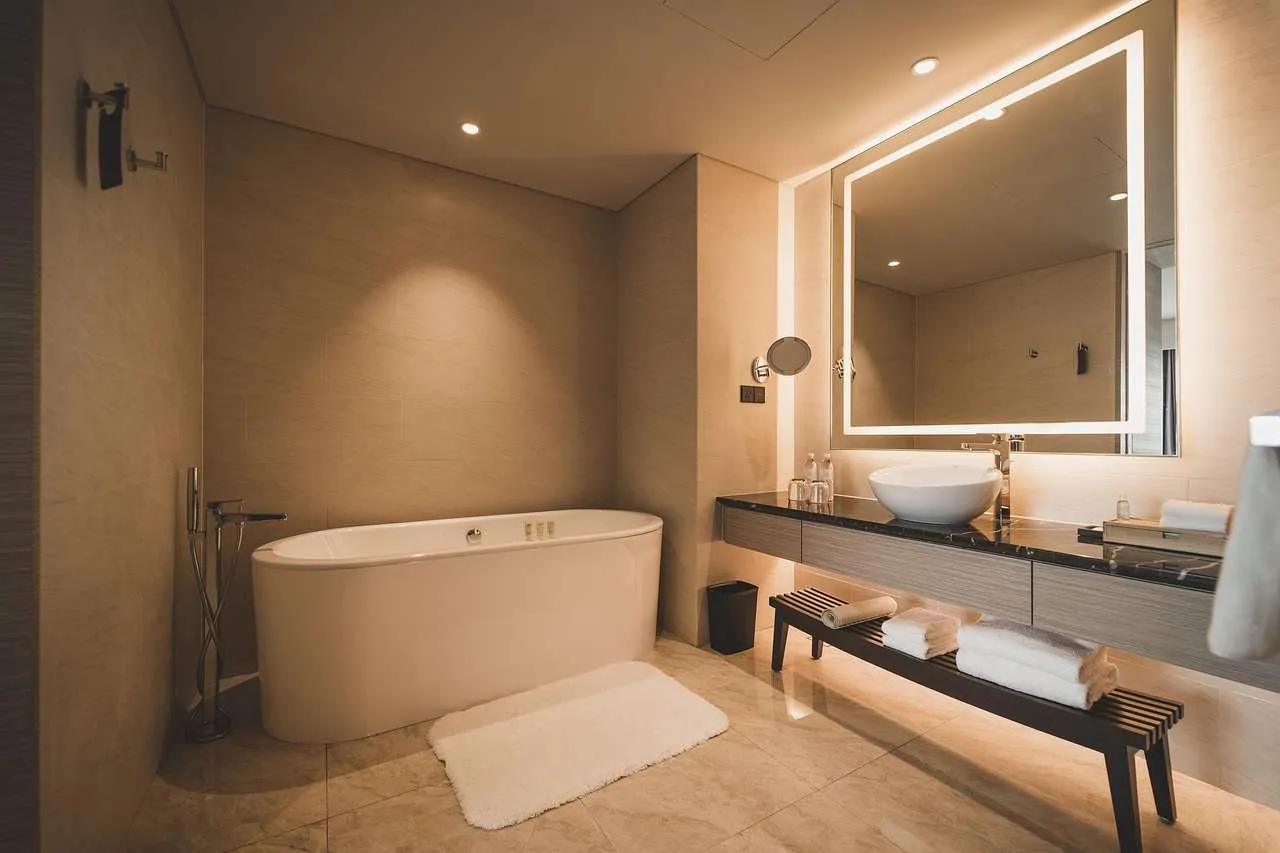
Light hues such as pale neutrals, blues, and warm whites reflect daylight and artificial light. A monochrome palette with a pop of color in towels or accessories works well. Layer lighting: recessed ceiling lights for general illumination, plus a bright vanity light or LED strip behind a mirror to eliminate shadows. Consider a backlit mirror for both task lighting and a sense of depth.
Fixtures and layout
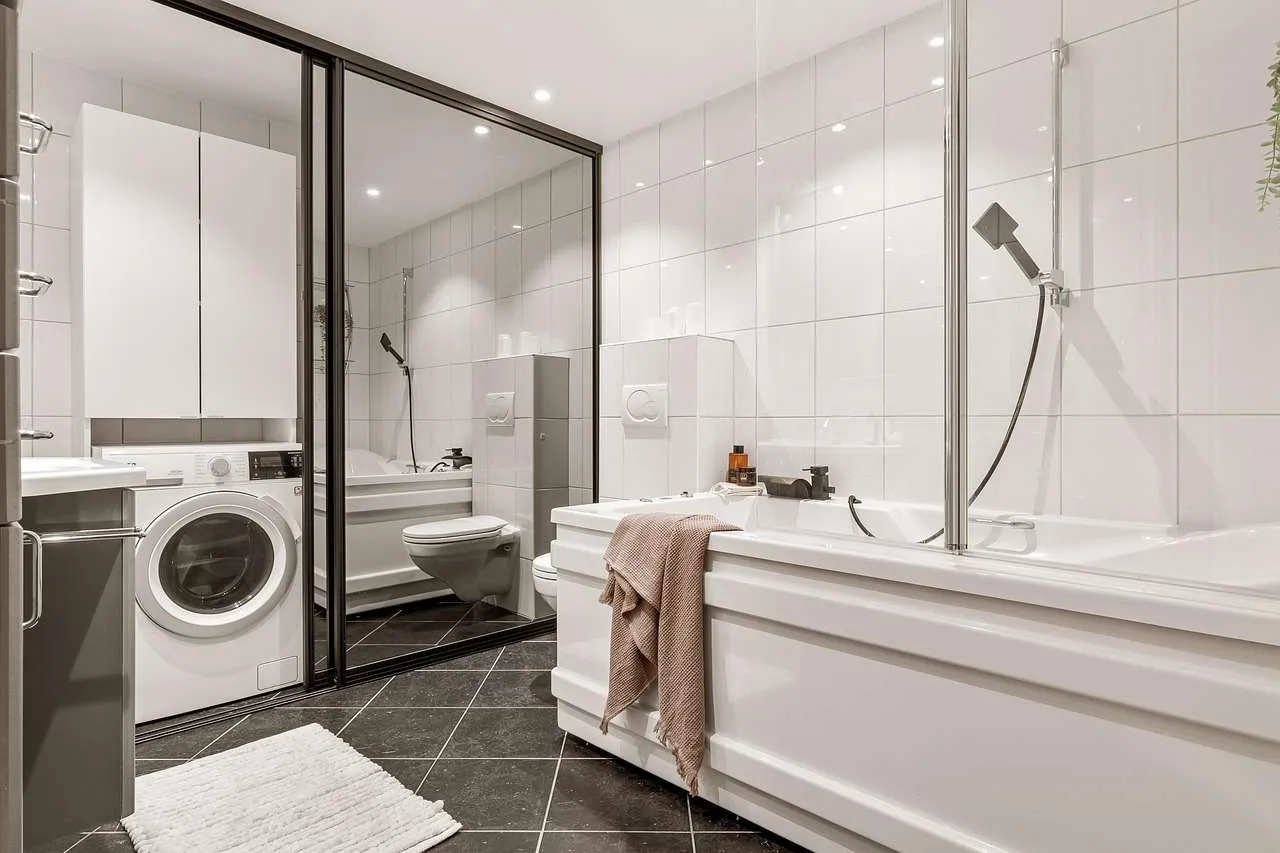
Choose wall-mounted or floating vanities, toilets, and towel rails to reveal more floor area. A corner shower with a frameless door visually expands the space, while a compact tub can be swapped for a shower-tloor combo in very small rooms. If space allows, install a pocket door to free swing space for the vanity and storage.
Storage solutions
Vertical storage is your friend: tall, slim cabinets, open shelving above the toilet, and recessed niches in the shower wall for toiletries. Use vanity drawers with organizers, magnetic strips for small metal items, and over-the-door hooks. Hidden storage behind a mirror cabinet preserves a clean, uncluttered surface.
Materials and finishes
Choose durable, moisture-resistant materials such as porcelain, ceramic, and high-quality vinyl that withstand humidity. Large-format floor tiles with minimal grout lines visually expand the room. Glossy surfaces, glass shower enclosures, and reflective countertops help bounce light and create depth.
Practical choices: fixtures and features
Balancing cost, installation, and space is essential. A compact dual-flush toilet saves space and water. A slimline sink with a shallow vanity offers storage without bulk. A curved shower rod and a frameless glass door reduce visual barriers. In very small baths, a shower enclosure with a curved corner can be one of the most space-efficient options.
| Option | Pros | Cons |
|---|---|---|
| Wall-mounted sink | Saves floor space; easier cleaning; creates open feel | Higher installation cost |
| Shower stall vs. bathtub | Shower stalls save space; accessible designs | Bath option reduces space |
| Slimline toilet | Compact footprint; easier to fit in tight plan | Can be pricier |
| Pocket door | Eliminates door swing space | Requires wall cavity modification |
Real-world layouts and planning tips
Start with a floor plan. In a typical 5x8 ft bath, a wall-mounted vanity, a corner shower, and a slim toilet create a comfortable workflow. Use a long mirror to visually lengthen the room. If possible, relocate the sink or toilet to create a more open path from the door. Always verify plumbing access and ventilation before purchasing fixtures.
Sources of inspiration include photo galleries of small bathroom ideas, but adapt proven layouts to your dimensions and building codes. A staged approach—decluttering, then upgrading lighting, then replacing fixtures—helps manage costs and ensures a cohesive result.
Conclusion, thoughtful color, lighting, fixtures, and storage turn a compact bath into a functional, inviting space. By maximizing vertical space, using reflective surfaces, and choosing space-saving fixtures, small bathroom ideas become practical and stylish. Plan, measure, and stage your remodel for a successful result.